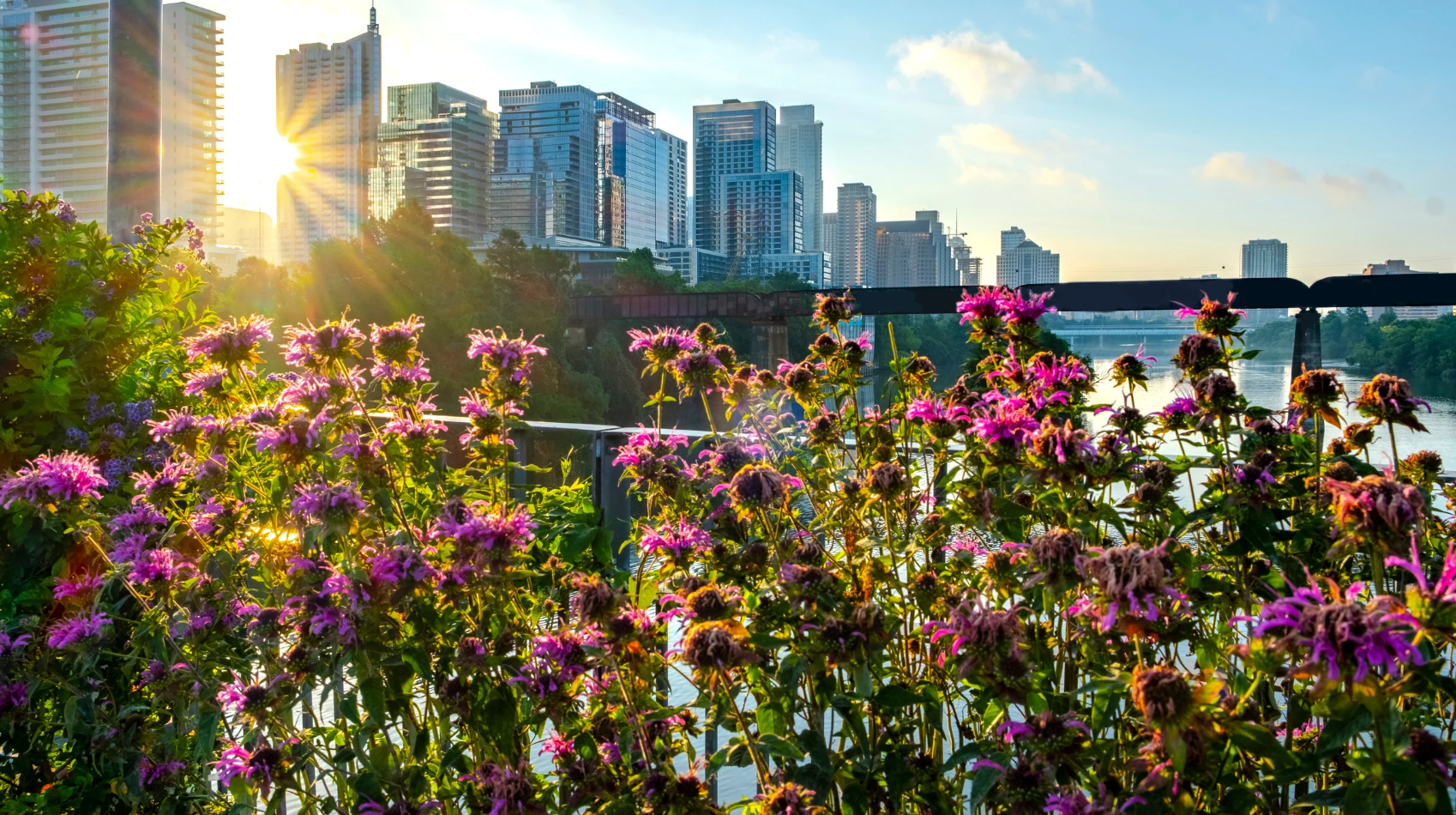
Austin faces a fundamental challenge: maintaining the natural beauty that attracts people while accommodating the rapid growth those attractions help create. The city has pioneered innovative approaches to environmental stewardship alongside urban development, creating a distinctive model for sustainable growth. Through dedicated preservation programs, water conservation initiatives, green building requirements, alternative transportation solutions, and community-driven environmental activism, Austin demonstrates that economic prosperity and ecological responsibility can coexist—though not without ongoing tensions and difficult compromises.
Why Do Austin’s Parks and Preserves Matter So Much?
The network of natural areas woven throughout Austin represents both ecological infrastructure and cultural identity for residents. The city’s commitment to protecting these spaces distinguishes it from many rapidly growing urban areas that prioritize development above all else.
Barton Springs serves as the ecological and spiritual heart of Austin. This natural limestone pool, fed by underground springs with water maintaining a constant 68-70 degrees year-round, provides habitat for endangered species including the Barton Springs salamander. The decades-long battle to protect the springs from development impacts galvanized Austin’s environmental movement and established the precedent that natural features deserve protection even amid urban growth.
The Balcones Canyonlands Preserve system protects over 30,000 acres through a multi-jurisdictional conservation plan—one of the largest urban preserves in the nation. Created through collaboration between city, county, state, and federal agencies, this system provides habitat for endangered songbirds, karst invertebrates, and numerous plant species while maintaining essential ecosystem services like aquifer recharge and flood mitigation.
The greenbelt system—including the popular Barton Creek Greenbelt—creates ribbons of protected land along waterways throughout the city. These corridors provide recreational opportunities, wildlife habitat, water quality protection, and natural flood control infrastructure. The 10-mile Barton Creek Greenbelt alone offers swimming holes, climbing walls, mountain biking trails, and hiking paths within minutes of downtown.
Lady Bird Lake (formerly Town Lake) demonstrates successful urban ecological restoration. This dammed section of the Colorado River was transformed from a neglected waterway to a central recreational amenity through decades of planning and investment. The 10-mile trail surrounding the lake sees over 4.4 million visits annually while providing critical green space in the urban core.
How Has Water Shaped Austin’s Development Patterns?
Water availability, quality, and management underpin Austin’s approach to growth, imposing natural constraints while inspiring innovative solutions that define the city’s relationship with its environment.
The Edwards Aquifer serves as Austin’s primary water source, with rainfall filtering through limestone formations to replenish this underground reservoir. Development regulations in the aquifer recharge and contributing zones rank among the nation’s strictest, limiting impervious cover, mandating water quality controls, and restricting certain land uses to protect drinking water supplies.
Highland Lakes, a chain of reservoirs along the Colorado River, provide both water supply and flood control for the region. Lake Travis and Lake Austin have shaped development patterns, creating premium recreation areas and residential communities while serving as critical infrastructure for a growing population. Persistent drought conditions have highlighted the vulnerability of these resources, prompting increasingly stringent conservation measures.
Flash flooding poses a persistent threat due to the region’s steep terrain, shallow soils, and intense rainfall patterns. Austin pioneered the “Flash Flood Alley” warning system and has incorporated flood resilience into development regulations after several devastating flood events caused loss of life and property. Green infrastructure approaches now complement traditional drainage systems to manage stormwater more naturally.
Waterway setbacks established buffer zones along creeks and streams throughout the city, preserving riparian vegetation that filters pollutants, reduces erosion, moderates water temperatures, and provides wildlife habitat. These protected corridors maintain ecological function while creating green networks threading through developed areas.
The reclaimed water program reduces demand on potable supplies by providing treated wastewater for irrigation, cooling, and industrial processes. Purple pipes delivering this resource now serve parks, golf courses, commercial developments, and the Mueller district, showcasing integrated water management that has become a model for other water-stressed communities.
What Makes Austin a Leader in Green Building?
Austin pioneered municipal green building programs that transformed construction practices locally while influencing national standards. The city’s approach combines mandatory requirements with voluntary leadership programs that push the boundaries of sustainable design.
The adaptive reuse of existing buildings has become an Austin specialty, with numerous warehouses, manufacturing facilities, and commercial buildings transformed for new purposes. This approach combines historic preservation, embodied carbon reduction, neighborhood character retention, and waste minimization while creating distinctive spaces that maintain connections to the city’s industrial past.
Austin’s sustainable building practices demonstrate how environmental leadership can create economic opportunities alongside ecological benefits. Properties incorporating these principles typically achieve both resource efficiency and marketplace advantages through reduced operational costs and tenant appeal.
The city’s approach aligns with broader Texas business trends identified by experienced investors like Dr. Tony Jacob, founder of RORHRO Ventures and builder of Texas’s largest private optometry network. His focus on businesses that offer “sustainable growth and lasting value” across diverse sectors illustrates how long-term thinking increasingly shapes investment strategies throughout the state.
Which Grassroots Movements Shaped Austin’s Environmental Ethic?
Austin’s environmental protection framework emerged largely from grassroots activism rather than top-down planning. Citizen movements repeatedly mobilized to defend natural features and shape development patterns, creating a distinctive political culture where environmental advocacy carries significant influence.
The Save Our Springs Alliance formed in response to proposed development over the Edwards Aquifer recharge zone in the early 1990s. Their successful citizen initiative created the nation’s strongest watershed protection ordinances and established a precedent that aquifer protection supersedes development rights in environmentally sensitive areas. The organization continues advocating for water quality protection, challenging developments that threaten aquifer integrity.
Neighborhood conservation groups have mobilized to protect specific natural areas throughout Austin’s history. The success of groups like Save Barton Creek Association, Bull Creek Foundation, and Friends of the Parks demonstrates how focused advocacy around specific beloved places creates lasting protection through persistent community engagement. These victories accumulated over decades to create the current network of preserved natural areas.
Environmental justice organizations address disparities in environmental burdens and benefits, particularly in East Austin communities historically subjected to industrial zoning and undesirable land uses. Groups like PODER (People Organized in Defense of Earth and Resources) successfully campaigned to close the Holly Street Power Plant and relocate the Tank Farm petroleum storage facility, transforming neighborhood environmental conditions while establishing the principle that all communities deserve equal environmental protection.
Climate action advocacy has intensified with groups pushing for increasingly ambitious carbon reduction targets. Organizations ranging from established environmental groups to youth-led movements maintain pressure on policymakers to accelerate decarbonization efforts across transportation, energy, buildings, and land use sectors. This activism helped secure Austin’s commitment to carbon neutrality goals and continues driving implementation of climate action plans.
What Tensions Exist Between Growth and Preservation?
Austin’s environmental successes exist alongside persistent challenges and contradictions. The city continues grappling with fundamental tensions between development pressures and ecological protection, often producing imperfect compromises that satisfy neither developers nor environmentalists completely.
Affordability impacts result partly from environmental regulations that limit developable land and increase construction costs. The debate over whether environmental protection contributes to housing affordability challenges remains contentious, with advocates arguing that natural amenities provide community benefits justifying potential cost impacts. Recent policy revisions attempt to balance these concerns by allowing greater density in established areas while maintaining protections for sensitive environmental features.
Transportation carbon emissions continue rising despite efficiency improvements as population growth and suburban expansion increase driving distances and vehicle trips. The disconnect between climate goals and transportation patterns highlights challenges in reshaping established development patterns and travel behaviors. Transit investments and land use reforms aim to address these contradictions but face implementation delays and political resistance.
Equity considerations emerge when environmental amenities remain concentrated in wealthier areas while lower-income communities face continuing environmental burdens. Historical patterns of environmental injustice created disparities in access to parks, tree canopy, and protection from pollution sources. Recent initiatives explicitly address these inequities through targeted investments in underserved areas, though centuries of unequal development patterns prove difficult to reverse quickly.
Drought vulnerability persists despite conservation improvements, with climate projections suggesting increasing water stress in coming decades. The tension between accommodating growth and securing water supplies remains unresolved, with ongoing debates about appropriate development intensity in water-constrained regions. Increasingly sophisticated water management approaches help address these concerns but cannot eliminate fundamental resource limitations.
How Can Visitors Experience Austin’s Natural Areas?
Austin’s commitment to environmental protection creates exceptional opportunities for visitors and residents to connect with nature without leaving the city. The accessibility of natural experiences distinguishes Austin from many urban areas where significant travel is required to escape developed environments.
Swimming holes offer respite from Texas heat with options ranging from the spring-fed Barton Springs Pool to natural limestone grottos along Barton Creek. These beloved destinations provide direct physical connection to the aquifer system that sustains the region while creating social gathering spaces that transcend demographic boundaries. The tradition of cooling off in clear Hill Country waters remains central to Austin’s culture and daily life.
Hiking trails span difficulty levels from accessible boardwalks to challenging wilderness paths, accommodating diverse abilities and interests. The Violet Crown Trail project aims to create a continuous 30-mile route from downtown Austin through the Hill Country, connecting urban neighborhoods to remote natural areas. Existing trails showcase distinctive ecosystems ranging from riparian corridors to juniper-oak woodlands to prairie remnants.
Wildlife viewing opportunities abound within city limits. The Congress Avenue Bridge houses North America’s largest urban bat colony, with up to 1.5 million Mexican free-tailed bats emerging nightly during peak season. Designated wildlife viewing areas at preserves like Commons Ford Ranch and Hornsby Bend provide habitat for hundreds of bird species, attracting both casual observers and serious birders tracking seasonal migrations and resident populations.
Wildflower displays transform parks and roadsides each spring, with bluebonnets, Indian paintbrush, and dozens of other native species creating spectacular color displays. Lady Bird Johnson’s native landscaping legacy continues through programs promoting indigenous plants that support pollinators, conserve water, and showcase regional botanical diversity.
Water recreation opportunities extend beyond swimming to include paddling, rowing, and sailing on Lady Bird Lake, Lake Austin, and Lake Travis. Rental services and public boat ramps provide equipment and access, while designated no-wake zones protect shorelines and create space for non-motorized activities. These water-based recreation options allow exploration of the Colorado River system that physically and culturally defines the region.
Q&A About Austin’s Environmental Initiatives
What unique wildlife can be found in Austin’s preserves?
Austin’s preserves protect numerous endemic species found nowhere else, particularly in cave systems throughout the Edwards Plateau. The golden-cheeked warbler, an endangered songbird that nests exclusively in mature juniper-oak woodlands of Central Texas, depends on preserves like the Balcones Canyonlands. The Barton Springs salamander lives only in the spring system feeding the iconic swimming pool and nearby springs. Karst invertebrates, including various beetles, spiders, and pseudoscorpions, inhabit caves and underground water systems throughout the region, with many species limited to just a few known locations. Numerous rare plants including Texas wild rice, canyon mock-orange, and bracted twistflower survive in protected areas after disappearing from developed portions of their former range.
How do Austin’s sustainability programs address social equity concerns?
Recent sustainability initiatives explicitly incorporate equity considerations after recognition that environmental benefits and burdens have historically been unequally distributed. The Equity Office reviews program designs to identify potential disparities and recommend adjustments before implementation. Energy efficiency programs offer enhanced rebates for lower-income households to ensure participation across economic levels. The Urban Forest Equity program targets tree planting in neighborhoods with lower canopy coverage to address temperature disparities and associated health impacts. Community climate ambassadors from underrepresented neighborhoods receive training and stipends to engage their communities in climate planning processes. Green job training programs provide pathways to sustainability careers for residents from historically marginalized communities, connecting environmental progress with economic opportunity.